How Dust and Allergens Build Up in Window Treatments
Many people seek help from local contractors to clean dust and allergens that build up in window treatments, improving indoor air quality and reducing allergy symptoms.
If you’ve ever wondered how dust and allergens build up in window treatments, you’re in the right place. Over time, everyday particles like dust, pollen, pet dander, and other airborne allergens can settle into the fabric, blinds, or shades that adorn your windows. This accumulation not only affects the appearance of your window coverings but can also impact indoor air quality, especially for those with allergies or respiratory sensitivities. Property owners in the area may find that regular cleaning helps maintain a healthier, cleaner living environment, making it a practical consideration for ongoing property maintenance.
Understanding how dust and allergens settle into window treatments can highlight the importance of professional cleaning services. Local contractors who specialize in dust and allergen window treatment cleaning have the tools and expertise to thoroughly remove buildup that vacuuming or surface dusting might miss. This can be particularly valuable for busy households or commercial spaces where maintaining a clean environment is a priority. Keep reading to learn more about why regular cleaning matters and how local service providers can help keep your window treatments fresh and allergen-free.
- Dust and allergen removal in window treatments - homeowners noticing increased allergy symptoms may need local contractors to thoroughly clean accumulated dust and allergens.
- Deep cleaning of fabric or faux window treatments - when dust and allergens have settled into fabric or textured surfaces, local pros use specialized methods to effectively clean and refresh these materials.
- Allergen reduction services for blinds and shades - individuals with respiratory sensitivities often seek professional cleaning to reduce allergens trapped in blinds and shades.
- Maintenance cleaning for dust buildup in window treatments - regular dust accumulation can impact indoor air quality, prompting residents to hire local service providers for routine cleaning.
- Sanitizing services for window treatments with allergen concerns - those concerned about allergens may opt for sanitizing treatments performed by local contractors to improve indoor air health.

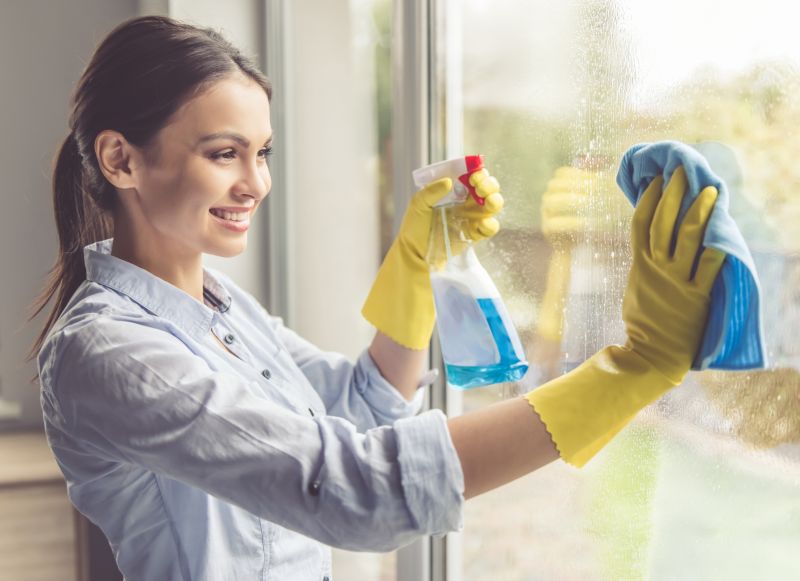
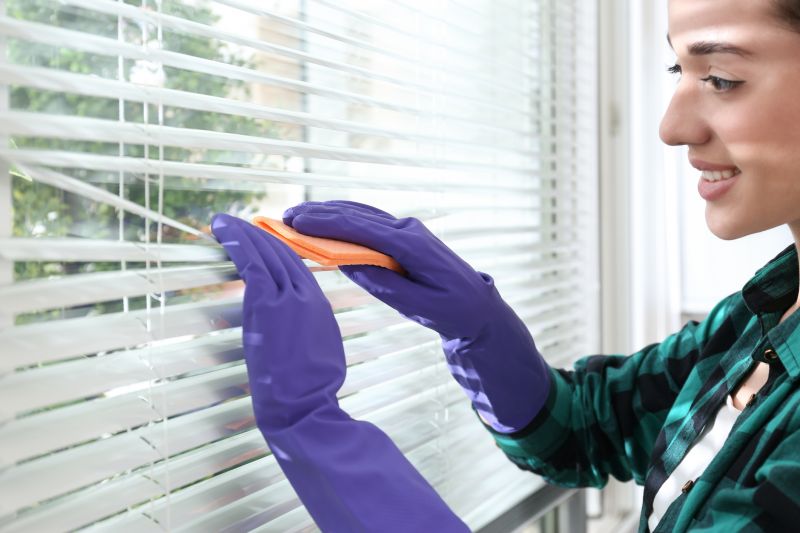
When people search for information on how dust and allergens build up in window treatments, they are often concerned about indoor air quality and maintaining a healthy living environment. Over time, window coverings such as blinds, shades, drapes, and shutters can accumulate particles from daily activities, outdoor air, pet dander, and household dust. This buildup can become invisible to the eye but may contribute to allergy symptoms, respiratory issues, or general discomfort, especially for those with sensitivities. Understanding how these particles settle and persist in window treatments helps homeowners recognize the importance of regular cleaning and maintenance to keep indoor air fresh and reduce allergen levels.
This topic often relates to broader efforts to improve indoor air quality, manage allergy symptoms, or prepare a property for new occupants. Homeowners may notice increased sneezing, congestion, or itchy eyes, which can be linked to dust and allergens trapped in window treatments. For property managers or those preparing a home for sale, addressing this buildup can be part of a larger cleaning or renovation project aimed at creating a cleaner, healthier space. Many plans involve scheduling professional cleaning services to thoroughly remove accumulated dust, dirt, and allergens from window coverings, ensuring they do not serve as ongoing sources of indoor pollutants.
The types of properties most commonly associated with this issue include residential homes, especially those with older window treatments or high-traffic areas. Apartments, condos, and single-family houses often feature various styles of window coverings that can trap dust and allergens. Commercial spaces, such as offices, clinics, or hospitality venues, also frequently have window treatments that require regular cleaning to maintain a clean appearance and healthy environment. Regardless of property type, the presence of pets, smokers, or high outdoor pollution levels can accelerate the buildup of dust and allergens in window treatments, making professional cleaning services an effective solution to restore cleanliness.
Professional dust and allergen window treatment cleaning services are well-suited to help homeowners and property managers address this common issue. Local service providers have the tools and expertise to remove accumulated particles safely and thoroughly from a variety of window coverings. Regular cleaning by experienced contractors can help reduce allergen levels, improve indoor air quality, and extend the lifespan of window treatments. For those seeking a healthier living or working environment, connecting with local pros ensures that this often-overlooked source of indoor dust and allergens receives proper attention, contributing to a cleaner, more comfortable space.
Upholstery Cleaning - upholstery cleaning involves removing dust, allergens, and dirt from fabric surfaces, similar to cleaning window treatments to reduce allergen buildup.
HVAC Filter Replacement - replacing or upgrading HVAC filters helps control dust and allergens circulating indoors, complementing efforts to keep window treatments cleaner.
Blinds and Shade Maintenance - servicing and cleaning blinds and shades require similar skills to remove dust and prevent allergen accumulation on window treatments.
Carpet and Rug Cleaning - deep cleaning carpets and rugs addresses dust and allergens trapped in fibers, akin to removing buildup from window coverings.
Air Duct Cleaning - cleaning air ducts reduces airborne dust and allergens, supporting overall indoor air quality alongside window treatment maintenance.
Furniture Dusting and Polishing - dusting and polishing furniture helps minimize dust circulation, which can settle on window treatments and contribute to allergen buildup.
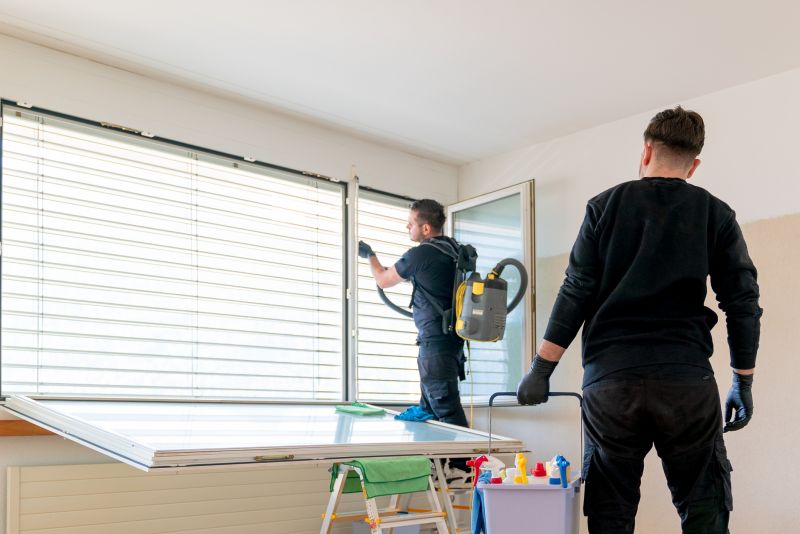
When comparing local contractors for dust and allergen window treatment cleaning, it is important to consider their experience with similar projects. Homeowners should seek out service providers who have a proven track record of effectively cleaning and maintaining window treatments, especially those that are prone to dust and allergen buildup such as blinds, shades, or drapes. An experienced contractor will understand the nuances of different materials and how to safely and thoroughly remove accumulated dust and allergens, ensuring the treatments are cleaned without damage or unnecessary wear.
Clear written expectations are essential when evaluating potential service providers. Homeowners should look for contractors who can provide detailed descriptions of their cleaning process, what to expect during the service, and any preparatory steps needed beforehand. This clarity helps prevent misunderstandings and ensures that the homeowner’s specific concerns-such as allergen removal or delicate fabric care-are addressed. A reputable contractor will be transparent about what their cleaning involves and will be willing to answer questions to establish a mutual understanding of the scope of work.
Reputable references and good communication are key indicators of reliable local contractors. Homeowners are encouraged to ask for references or reviews from previous clients to gauge the quality of their work and customer service. Effective communication, including responsiveness and clarity in answering questions, can make the entire process smoother and more predictable. Service providers who prioritize clear communication and have positive references are more likely to deliver satisfactory results when it comes to removing dust and allergens from window treatments, ultimately contributing to a healthier indoor environment.
Property owners often search for how dust and allergens build up in window treatments when they are planning practical projects around their homes and businesses. Local pros provide Dust and Allergen Window Treatment Cleaning services for everyday jobs and straightforward project options.
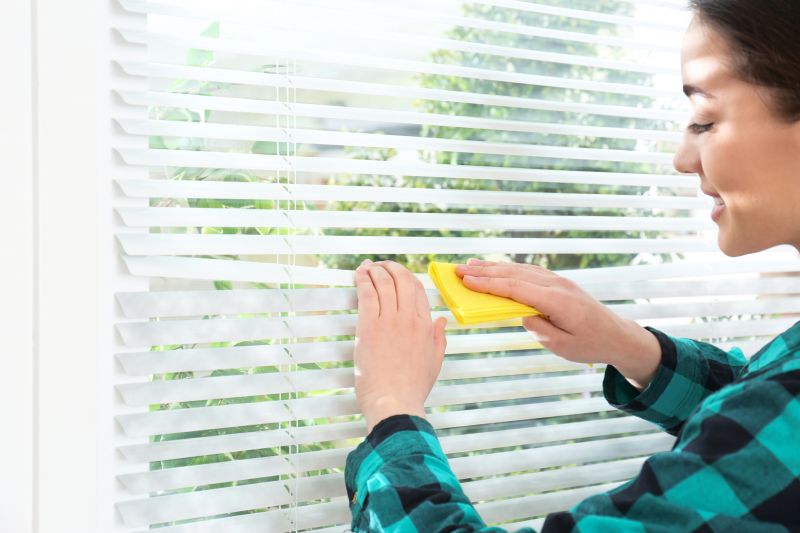

Dust and allergens tend to accumulate in window treatments over time, especially in homes where windows are frequently opened or where air circulation is limited. Everyday activities such as opening and closing blinds or curtains, along with the presence of pets and indoor air pollutants, can cause dust particles and allergens to settle into fabric, wood, or faux wood window coverings. This buildup can lead to decreased indoor air quality and may trigger allergy symptoms for sensitive individuals, prompting property owners to seek professional cleaning services to maintain a healthier living environment.
Many property owners in the area look into dust and allergen window treatment cleaning when they notice increased dust on surfaces or experience allergy flare-ups. Regular cleaning can be challenging, especially for large or intricate window coverings that trap dust deep within their fibers or slats. Local contractors who specialize in window treatment cleaning can help remove these buildups effectively, ensuring that dust and allergens are eliminated from hard-to-reach areas. Connecting with experienced service providers can make it easier to keep window treatments clean, improving both indoor air quality and overall home comfort.
How do dust and allergens accumulate in window treatments? Dust and allergens settle on window treatments through everyday air circulation, especially in areas with higher indoor activity or poor ventilation, leading to buildup over time.
Why are window treatments prone to collecting dust and allergens? Their fabric or material surfaces trap airborne particles, and regular use or exposure to outdoor air can introduce additional dust and allergens into the treatments.
How can dust and allergens in window treatments affect indoor air quality? Accumulated dust and allergens can become airborne when disturbed, potentially worsening allergy symptoms and reducing overall indoor air cleanliness.
What role do local contractors play in cleaning dust and allergens from window treatments? They provide specialized cleaning services that remove dust and allergens effectively, helping to improve indoor air quality and extend the life of window treatments.
Are there specific cleaning methods to reduce dust and allergens in window treatments? Yes, professional cleaning often involves vacuuming, dusting, and sometimes deep cleaning techniques tailored to the material, ensuring thorough removal of buildup.
Understanding dust accumulation - property owners can learn how dust and allergens settle in window treatments over time to plan regular cleaning routines with local contractors.
Identifying allergen hotspots - recognizing areas where dust tends to gather, such as pleated fabrics or fabric blinds, helps in targeting cleaning efforts with professional services.
Choosing appropriate cleaning methods - knowing how dust and allergens build up guides property owners in selecting cleaning techniques, which local pros can perform effectively.
Scheduling routine cleanings - understanding buildup patterns encourages regular professional cleaning to maintain healthier indoor air quality through expert dust removal.
If you are thinking about how dust and allergens build up in window treatments for a property, this guide is meant to help you understand this topic, the typical project types, and how different options might fit your plans.
When you are ready, you can use the quote form on this page to share a few details about your project. From there, local pros can review the basics and follow up with options that match what you have in mind.