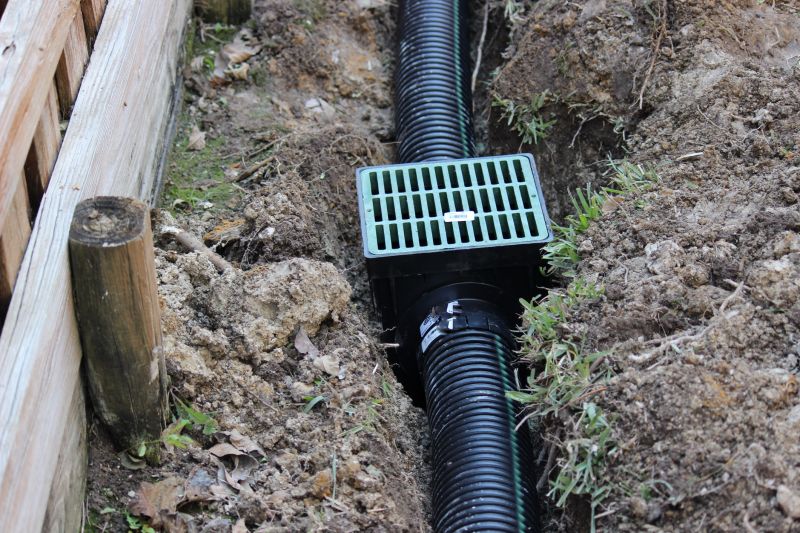
Curtain Drain Installation Services for Property Owners
This page helps property owners learn about curtain drain installation services and connect with local contractors who provide this work.
- - Residential property owners seeking effective drainage solutions for yards and gardens.
- - Commercial site managers needing reliable curtain drain installation to manage water runoff.
- - Homeowners planning landscape improvements that require proper water diversion and drainage.

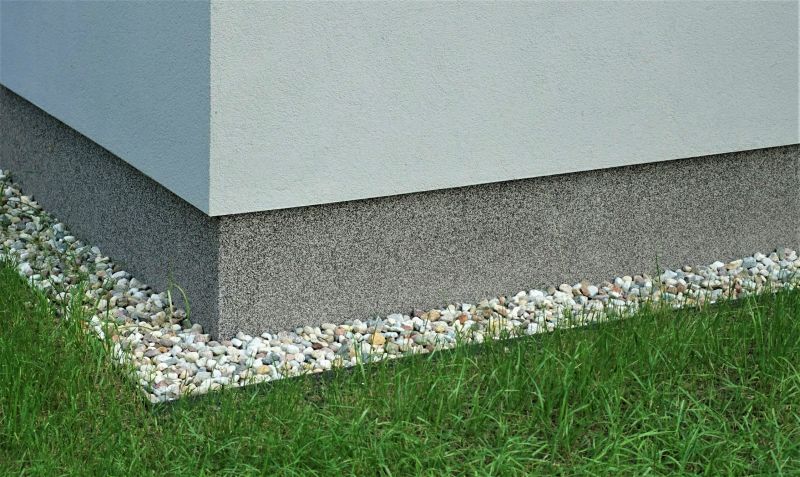
Curtain drain installation services involve setting up a trench or channel designed to redirect excess water away from a property’s foundation or landscape. Property owners often seek out local contractors who specialize in drainage solutions to help manage water runoff effectively. These professionals assess the site, determine the appropriate type and placement of the drain, and handle the installation process to ensure proper water flow and reduced risk of water-related issues.
Local service providers in this field typically have experience working with various property types and drainage needs. They may install curtain drains in residential yards, commercial landscapes, or other outdoor spaces where water management is necessary. When choosing a contractor, property owners can expect a practical approach to installation, tailored to the specific drainage challenges of their property, with the goal of improving water control and protecting the landscape.
This guide provides information to help homeowners understand the key aspects of curtain drain installation. It assists in comparing local contractors and understanding what to expect from different service providers. The goal is to help visitors gather the basics needed to connect with qualified local professionals for their project.